Updated: Nam Tran Dang

Acronym Brand - Part 2_ Product and Material Naming System — Nam Tran

Hello!

Thank you for returning for the second part of our series on the Acronym brand. The next two articles will explain the initials in the names of the designs, the fabrics Acronym has used, their distinctive features, and some frequently mentioned terms. The purpose of this series is that during the process of writing Acronym product reviews, I felt the need for a personal record of this information. This will make it easier to explain the specific functions of each design, the characteristics of each material, etc., allowing me to shorten the reviews to a reasonable length and direct you to a specific list for further reference when needed.

In this section, I will talk about clothing products and the materials commonly used.

The name of a clothing product (currently) usually appears in the following format: XYZ-O.

(It seems that before Autumn/Winter 2012 (?) the structure was reversed.) O-XYZ. I'm not sure why this change happened.

[ X ] - Product Type (pants, shirts, hats, scarves...)

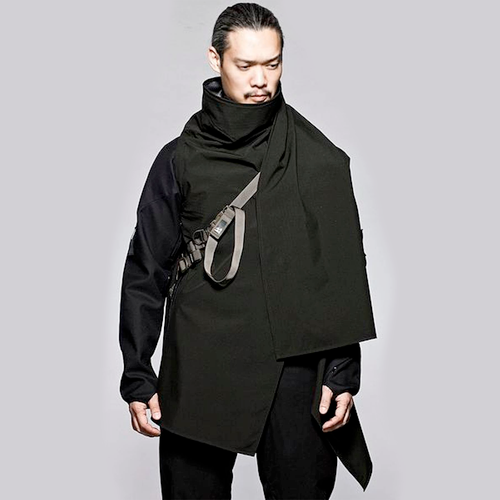
(CP) Cape - Cloak

(CP) Cape - Cloak

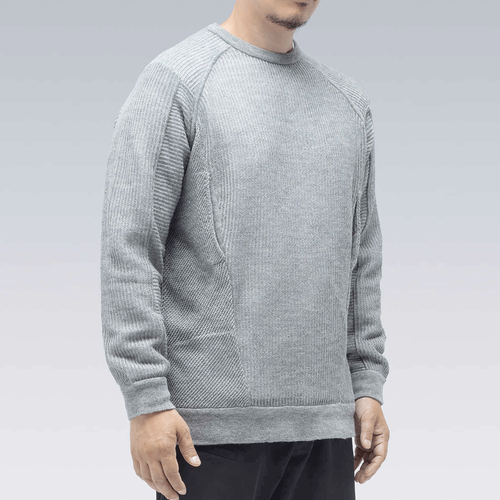
(C) Crewneck

(C) Crewneck

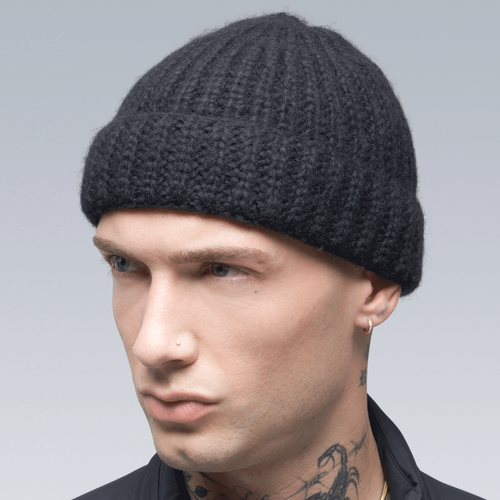
(H) Hat - Cap

(H) Hat - Cap

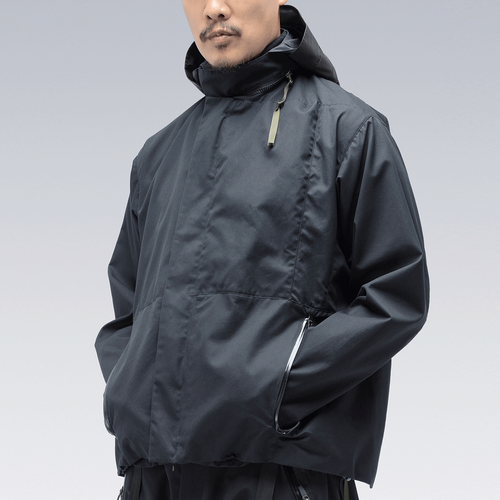
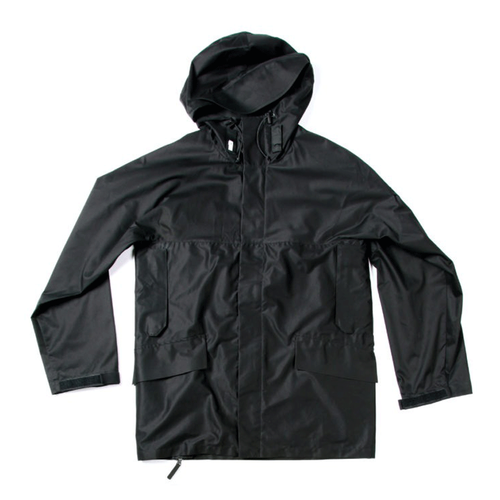
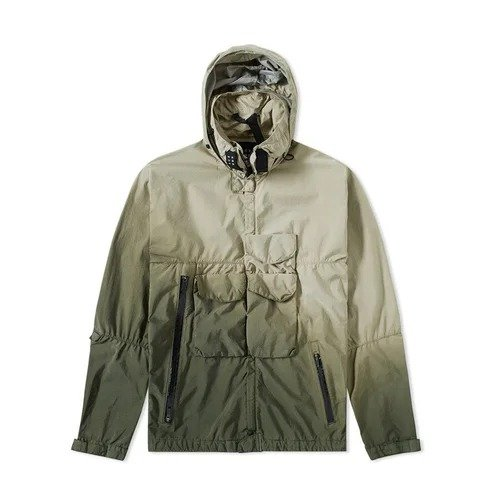
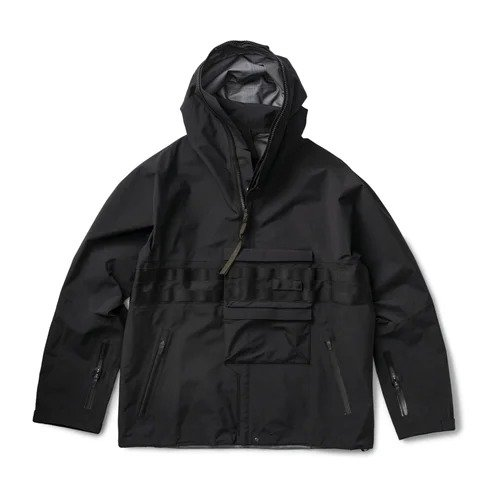
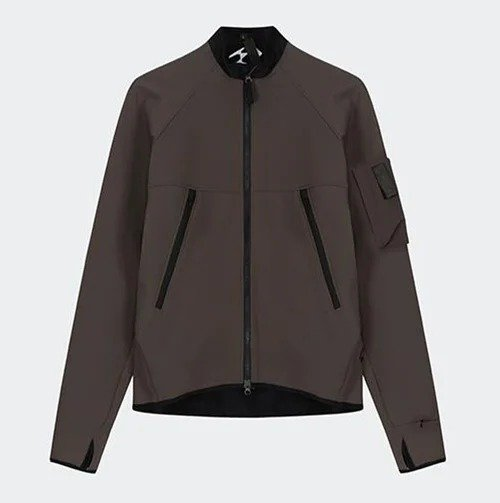
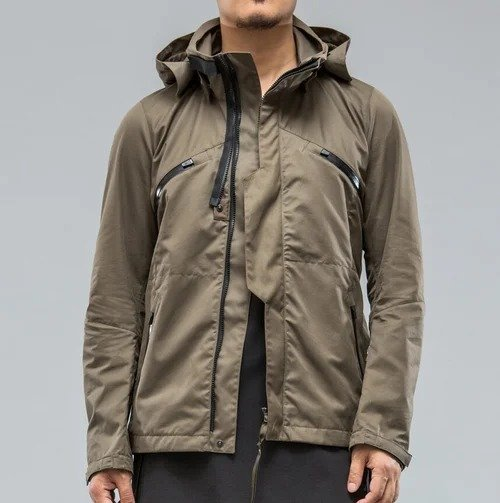
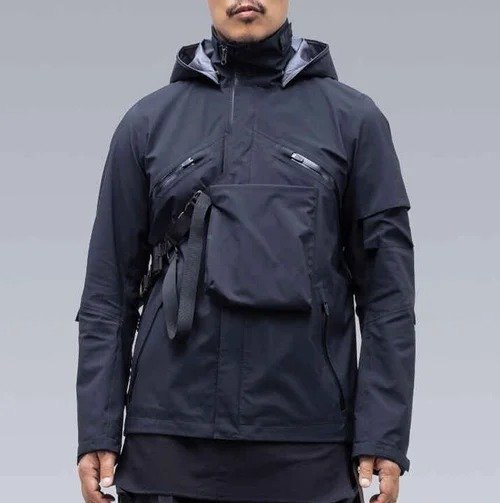
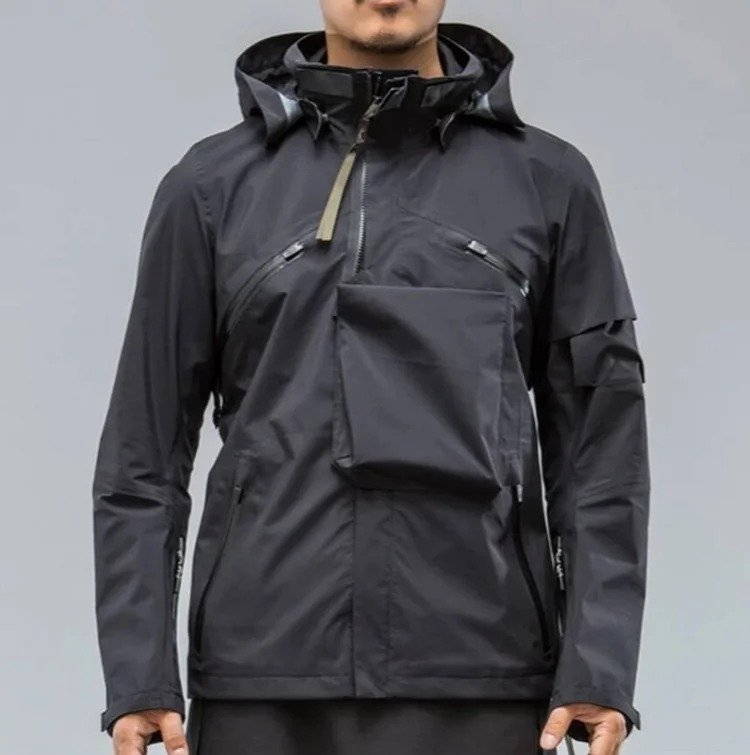
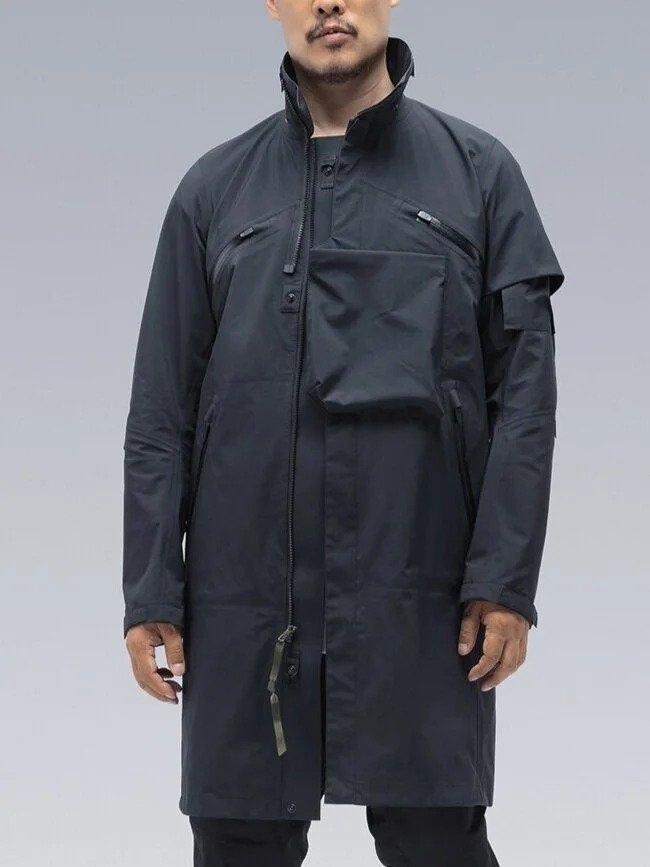
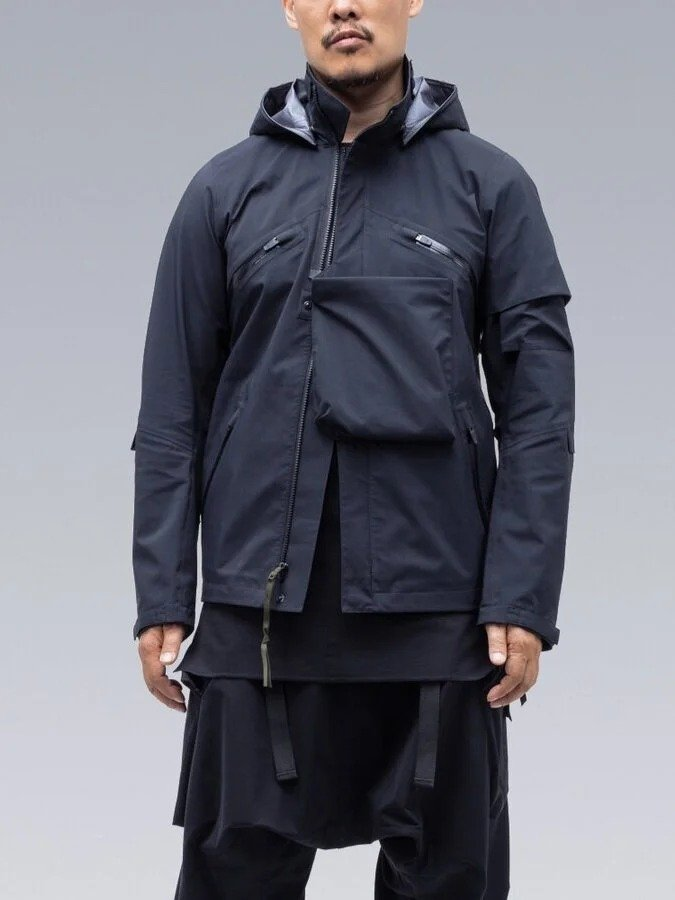
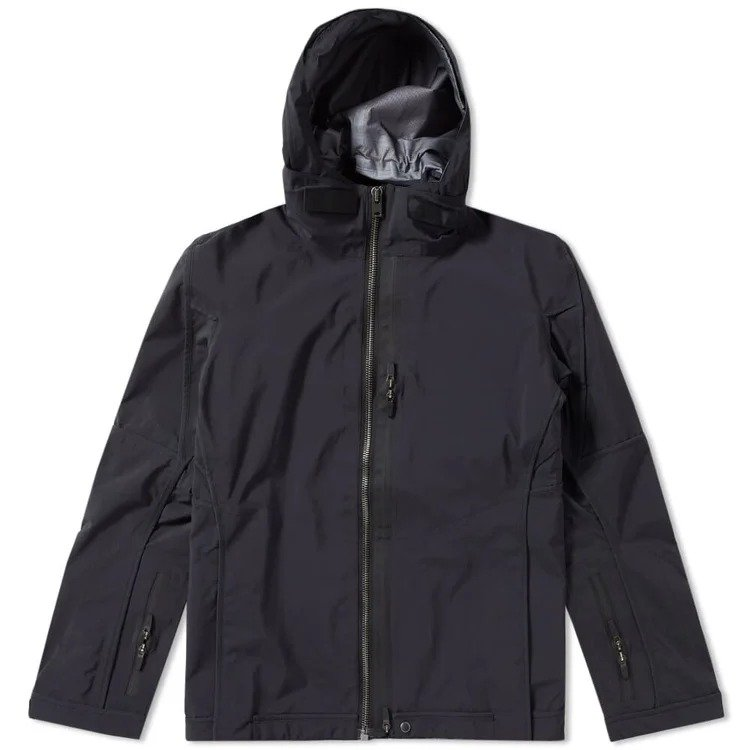
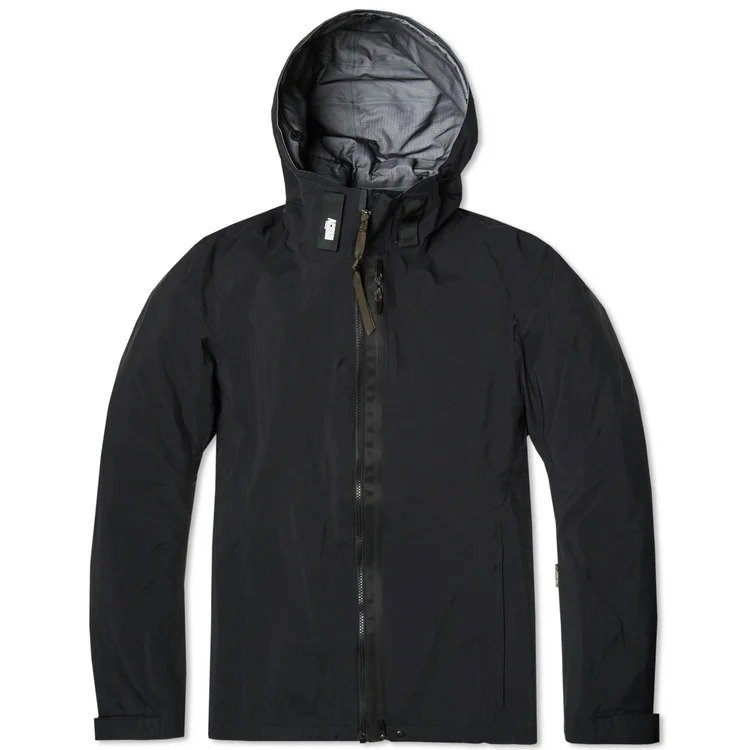
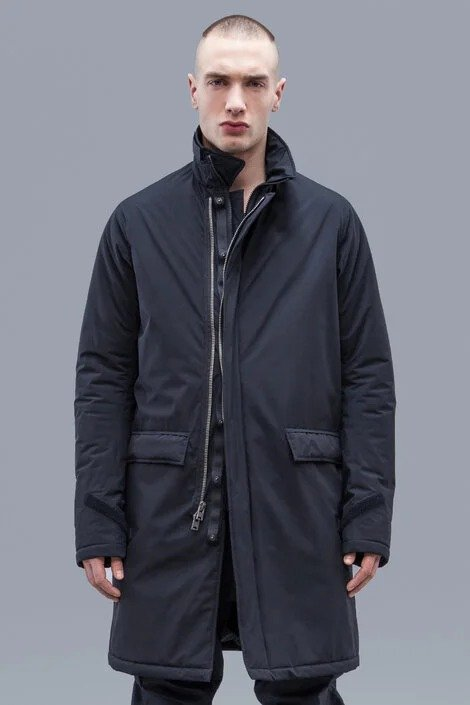
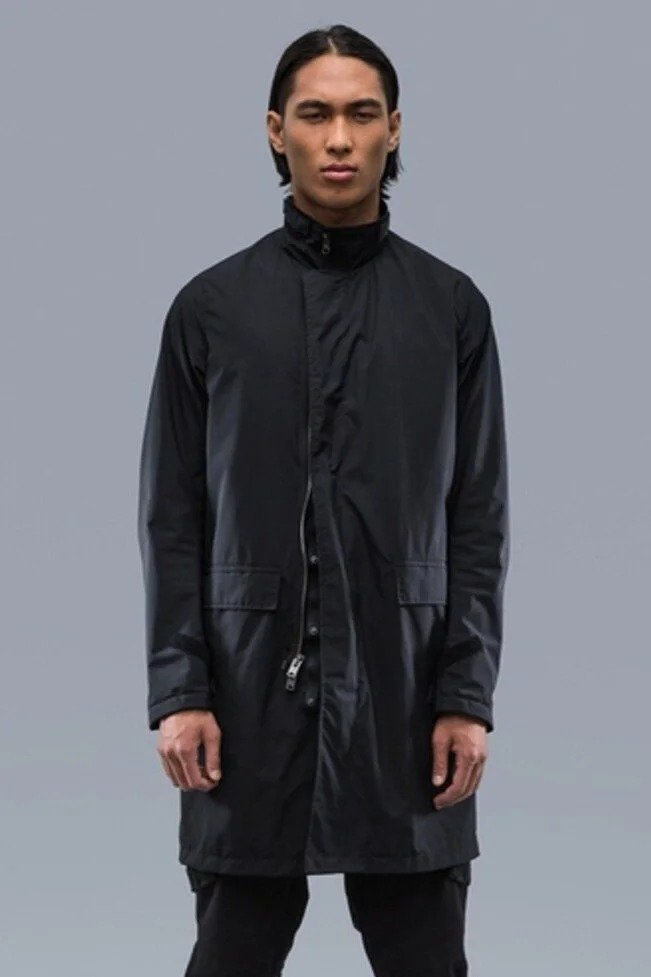
(J) Jacket - Coat

(J) Jacket - Coat

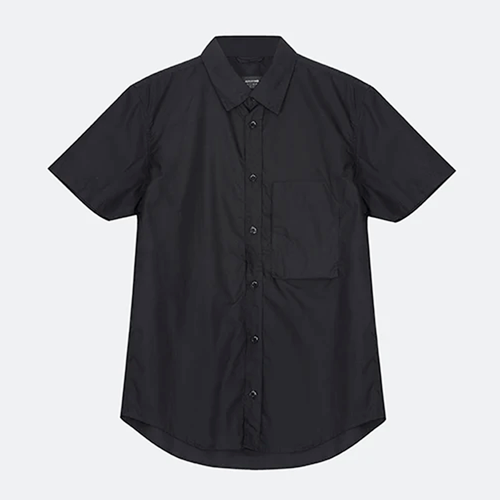
(KA) Kurzarm - Short-sleeved shirt

(KA) Kurzarm - Short-sleeved shirt

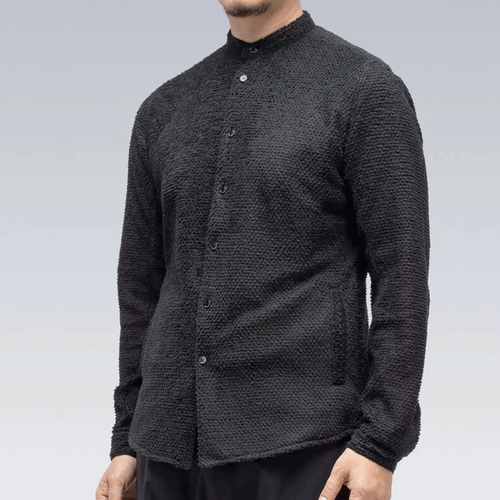
(LA) Langarm - Long-sleeved shirt

(LA) Langarm - Long-sleeved shirt

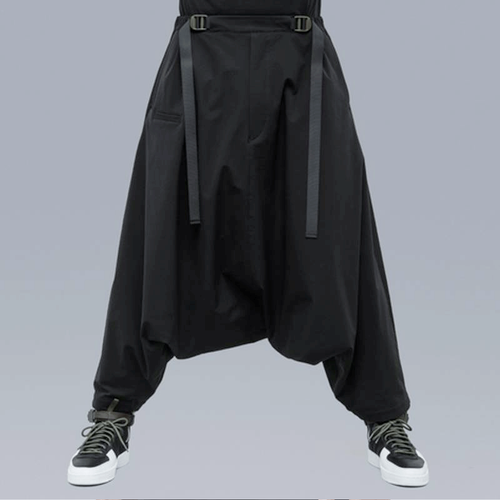
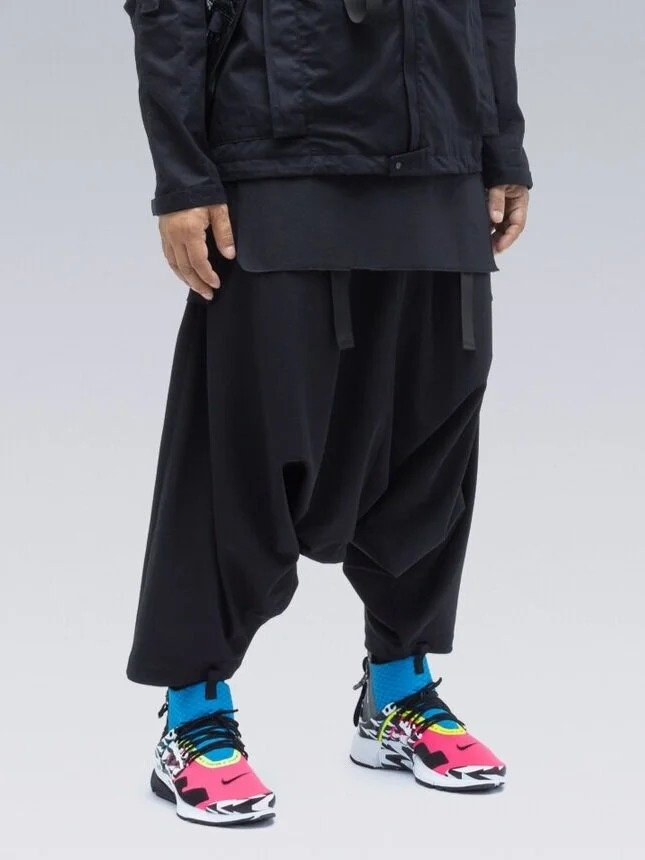
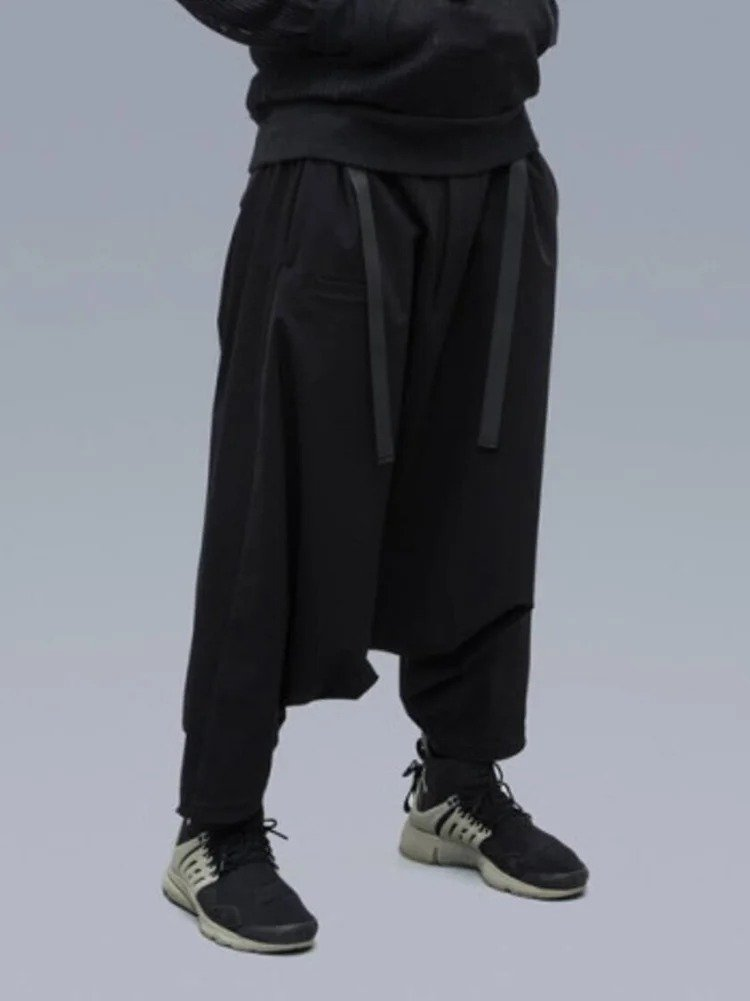
(P) Pants - Long Pants

(P) Pants - Long Pants

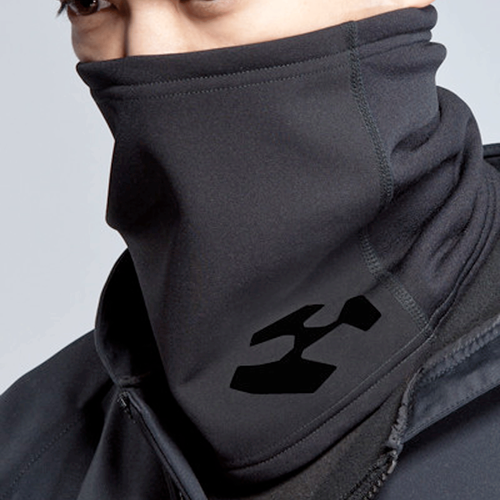
(NG) Neck Gaiter - Tube-shaped neck scarf

(NG) Neck Gaiter - Tube-shaped neck scarf

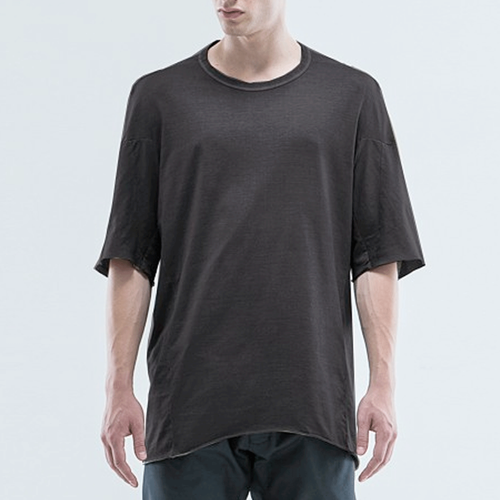
(S) Shirt/Swearter - T-shirt

(S) Shirt/Swearter - T-shirt

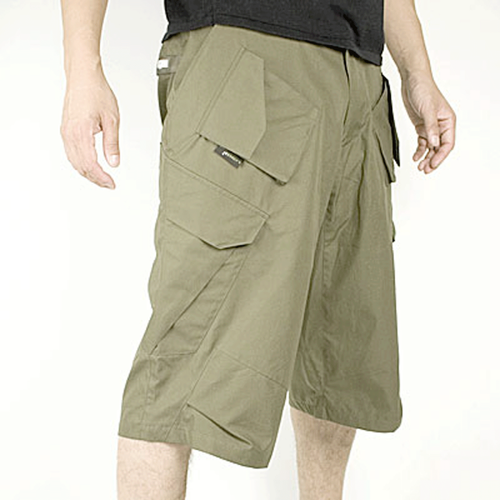
(SP) Short Pants - Capri Pants

(SP) Short Pants - Capri Pants

(SM) Shemagh - Multipurpose Scarf

(SM) Shemagh - Multipurpose Scarf

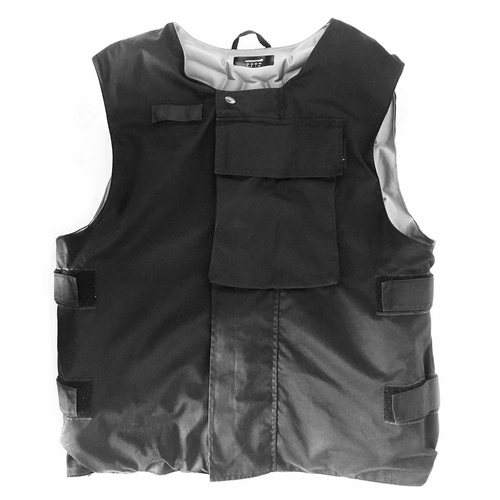
(V) Vest

(V) Vest

[Y] - The sequential number of the design.For example, if you look at the name J2, the number 2 tells you that this is the second jacket design released by Acronym, similarly P24 is the 24th pants design, or H5 is the 5th hat design.

J2

J2

J28

J28

J79

J79

[ Z ] - Characteristic element (Different from the regular version - no Z character) Most of the characters are community guesses and my own thoughts, not directly confirmed by Errolson and the team. Below are some of the characters I often see.

(A) and (B) Advanced and Base - This usually refers to a more functional version than the standard version. Version B represents an improvement/upgrade between version A and the standard version. (Note that these characters do not indicate the release order of different versions of a design, such as J1A being released before J1B or J1B being released before J1A).

Jía

Jía

J1B

J1B

J1A

J1A

Speaking of upgrades, even within the same version and made of the same material, there are changes/upgrades over time. The J1A-GT is a prime example.

J1A-GT Gen 2.0

J1A-GT Gen 2.0

J1A-GT Gen 2.2

J1A-GT Gen 2.2

(H) Heavyweight/Heat Retention - This reinforced version is suitable for Autumn/Winter (unlike the Spring/Summer version (e.g., P25H-DS for FW17 and P25-DS for SS18. Both are Schoeller Dryskin, but the H version is thicker and has better heat retention). However, not every version using thick DS fabric has an H version. As illustrated in the side-by-side images below, you can see that the drape of the P25 is quite different from the P25H, even though both are Schoeller Dryskin.

P25

P25

P25H

P25H

(L) Long - This version is designed to be longer than other versions with the same name (J1L-GT). However, L could also stand for Light/Lite, due to the existence of two versions, J44L-GT and J44-GT. Both use GoreTex, but the J44L uses GoreTex paclite, a thinner, lighter version for use in the Spring/Summer season. And why L-GT instead of GTPL…?

JIAL

JIAL

J1A

J1A

(R) Reversed Seam/Revised - Some sources explain R as meaning Revised, however I'm not sure how it differs from (A) or (B). Other sources suggest using Raccagni zippers instead of YKK zippers as the main zipper (J47R-GT). In the same R version of the J47, we see a reverse seam design; personally, I think reversed seam seems more logical to explain the letter (R). The product description of the J47R-GT also emphasizes that the purpose of the reverse seam design is to increase the lifespan and durability of the product.

J47R

J47R

J47

J47

J47R - seam on the outside

J47R - seam on the outside

J47 - inner seam

J47 - inner seam

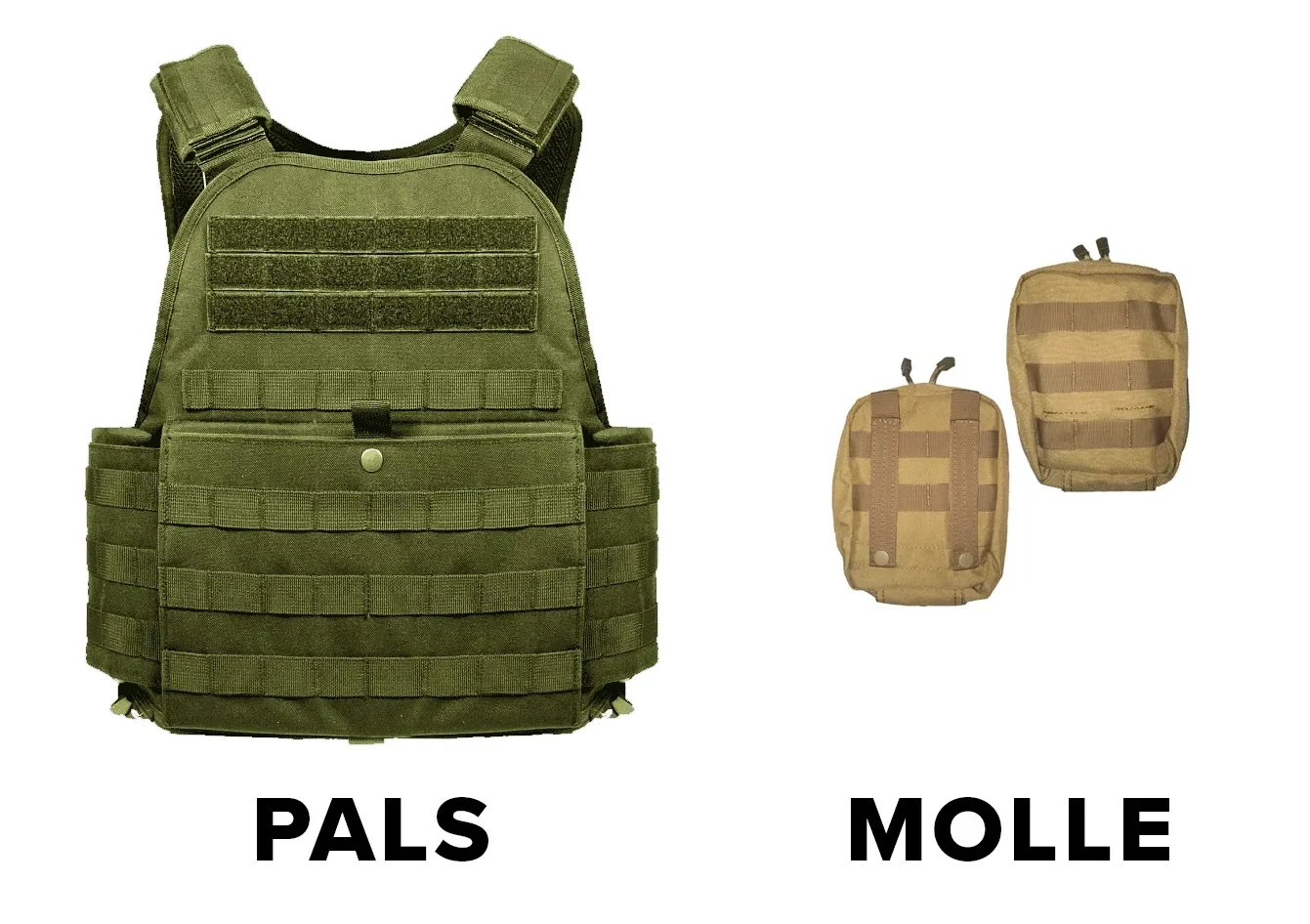
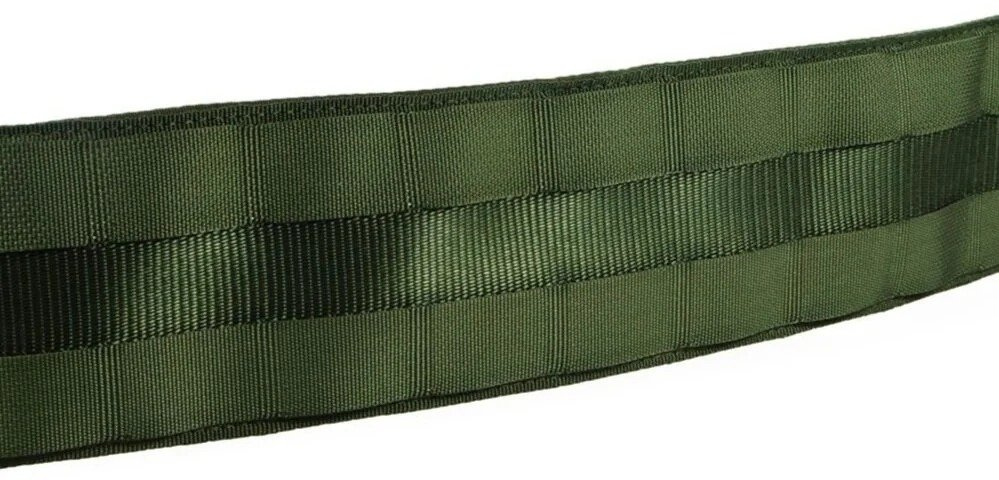
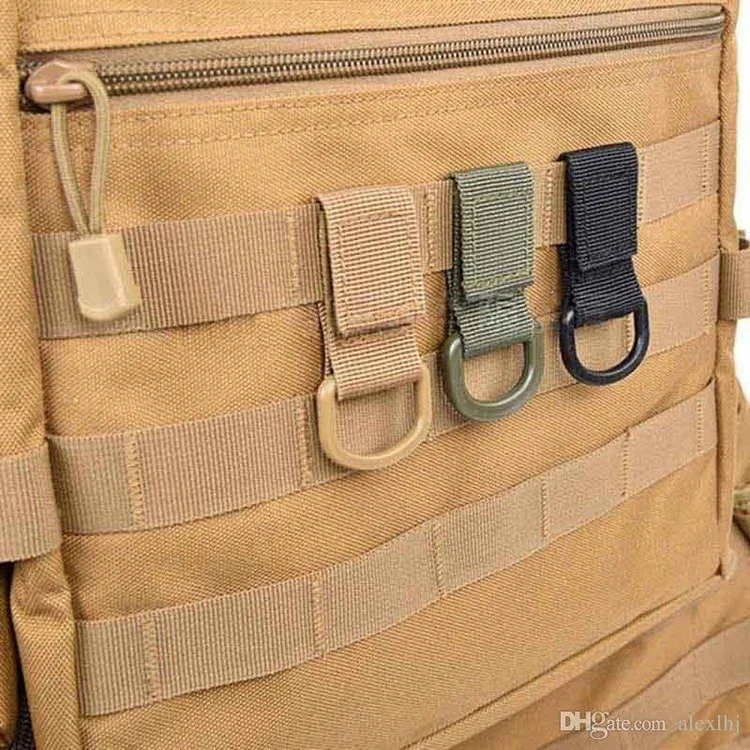
(TS) TecSys - The webbing system is woven from polyester and nylon fibers, based on the PALS system design used in tactical gear. First, I think I should briefly explain PALS and MOLLE, as I've noticed many people confuse them (including myself). PALS (Pouch Attachment Ladder System) is a webbing system with individual loops for attaching accessories. MOLLE (Modular Lightweight Load-carrying Equipment) refers to pouch accessories compatible with PALS.

The PALS system commonly used in tactical gear consists of a webbing strip sewn into the fabric in sections spaced approximately 4 cm (1.5 in) apart. Some types use a laser-cut piece of fabric to create the attachment points. TecSys products have two parts: the attachment points and the base. The webbing for the attachment points is woven directly into the base webbing, resulting in greater durability and lighter weight compared to other common tactical PALS systems.

When you hang a MOLLE, the pressure is concentrated on the two seams on either side, so if the base fabric isn't thick and strong enough, it's very easy to tear. With TecSys, because the weave is seamlessly integrated with the sole, the pressure is evenly distributed across the sole webbing. This results in a lightweight, durable, and flexible PALS system that can be applied to a wider variety of materials.

037_rBVaSVrd6K2AR1GIAAGMaExBlK0255.jpg
038_WkqbCuDjr79Qii4QT1vzmocgJfJutX4opAvADYnxcdk.jpg

(U) Uninsulated - There is no thermal lining. In Fall/Winter 2016, Acronym released the J46-WS, which had a Climashield thermal lining beneath the Gore Windbreaker. In Spring/Summer 2017, Acronym reissued the J46, still using WS fabric, as the J46U-WS, but without the thermal lining. The product description for the J46-WS also emphasizes this, so I'm guessing that's the case.

J46

J46

J46U

J46U

J46

J46

J46U

J46U

[ O ] - Type of fabric used (There are some materials that I haven't experienced or feel I haven't researched thoroughly enough, so I won't list them or go into too much detail.)

SOME POPULAR BRANDS OF ACRONYM MATERIAL

First and foremost, we must mention the long-standing collaboration between Acronym and the Gore family. GoreTex is a fabric brand with the slogan "Guarantee to keep you dry." After many years of keeping its promise, GoreTex has become a leading brand in the outdoor sports and recreation equipment industry. Products commonly used by Acronym include:

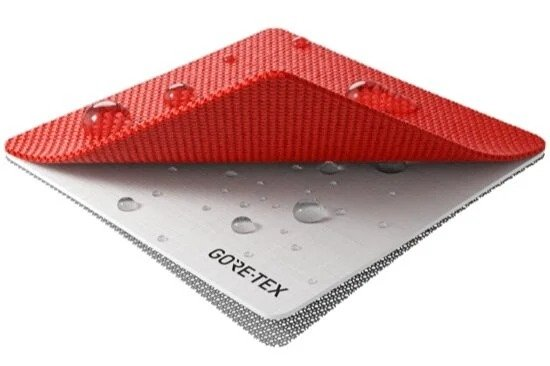
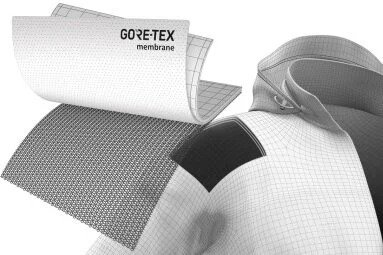
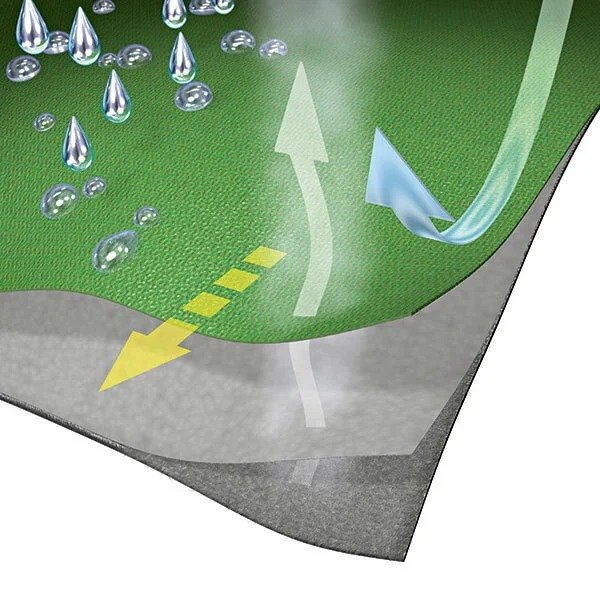
(GT) GoreTex Pro - Waterproof and windproof. The fabric features a 3-layer construction bonded together. The outer layer is durable and reduces abrasion from friction; the GoreTex membrane allows for quick moisture wicking while remaining dense enough to prevent wind and water penetration; and the microgrid backer reduces friction with the inner surface, allowing for comfortable movement without the fabric clinging to the body. It's the world's best outdoor fabric according to all surveys. (However, TNF's FutureLight is poised to take this title.)

From top to bottom: Nylon surface fabric, ePTFE membrane, microgrid lining.

From top to bottom: Nylon surface fabric, ePTFE membrane, microgrid lining.

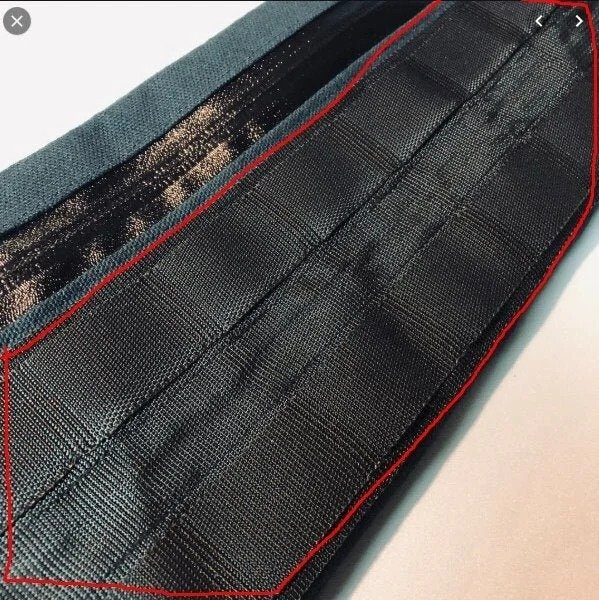
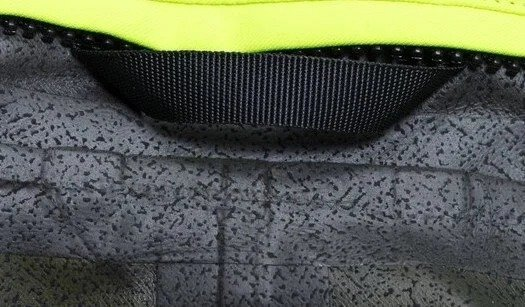
(GTV) GoreTex Variant - Water-resistant and windproof. 2.5-layer fabric construction. From the outside in, aesthetically, the GTV is similar to the GT. It still has a durable nylon surface fabric bonded to a GoreTex membrane. However, the innermost layer, the "0.5" layer, is printed or sprayed with a protective layer to appear as a third layer (but not quite a complete layer). This "third layer" also functions as the GT's microgrid backer fabric and is also lighter than the GT. However, in terms of durability and breathability, it's not as good as the GT (3L) or WS/GTPL (2L). (The reason it's 2.5 is simply because it's cheaper, so avoid it, even the J1A :”3 Avoid it like a fox avoiding a bunch of green grapes 😭)

GTV's inside look with the "third layer"

GTV's inside look with the "third layer"

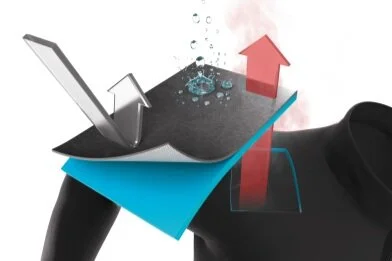
(GTPL) GoreTex Paclite - Waterproof and windproof. It has a two-layer fabric construction. It still features a GoreTex membrane directly bonded to a durable outer nylon layer. However, Paclite's membrane is coated with a protective layer of oleophobic (oil-repellent) and carbon, preventing dirt and oil from the skin from damaging the membrane. This two-layer structure allows the product to be quite lightweight and easy to fold. However, I don't really like Paclite because its fabric surface feels rather…plastic and cheap, like holding a cheap Chinese raincoat. If it's a two-layer design, I prefer the Gore Windstopper; I'll talk more about the Gore Windstopper later.

From top to bottom: Nylon surface fabric, ePTFE membrane, protective coating

From top to bottom: Nylon surface fabric, ePTFE membrane, protective coating

(FO) Film-Out and (PB) Putzbrunn - Water-resistant and windproof. FO and PB are two-layered products in GoreTex's Infinium product line. I initially thought Film-Out was Infinium when I first saw the FO and PB lines. However, Infinium is a separate product line from GoreTex that focuses on the softness and comfort of the material and the wearer's freedom of movement, always backed by the water-resistant and windproof capabilities of the GoreTex membrane. FO often comes with an inner fleece or insulation layer. PB is also a type of Film-Out product but with integrated insulation. công nghệ ShakeDryWhen first launched, PB was a test product resulting from a collaboration between Acronym and the Gore factory in Putzbrunn, Germany. ShakeDry technology is a quick-drying fabric technology that allows the wearer to dry almost completely with just a strong shake. PB is said to be thicker than FO and have a surface feel closer to leather.

Film-Out fabric bypasses the surface layer and exposes the GoreTex membrane, resulting in a soft, smooth surface that doesn't create noise when the fabric rubs against each other, unlike GT and GTV fabrics. What I like most about Film-Out and Film-Out is that over time, the fabric will "fade," with different areas of sheen and dullness. Like jeans fading over time and with wear. It becomes something unique, reflecting the personal style of the wearer.

The film-out material structure features an outer layer of Gore-Tex membrane.

The film-out material structure features an outer layer of Gore-Tex membrane.

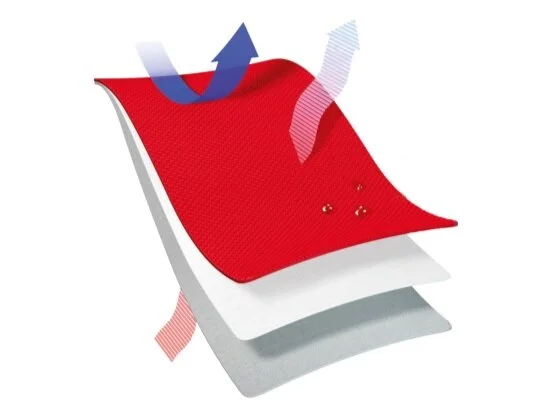
(WS) Gore Windstopper - Water-resistant and windproof. Two-layer fabric construction. The outermost layer is exceptionally lightweight and thin compared to the outer layer of GT lines. The surface fabric has a textured surface with tiny squares similar to ripstop nylon. The innermost membrane is also much thinner than the GT membrane. When pressed together, the two create a completely windproof fabric. The flexible micro-structure of the membrane allows for faster and better breathability than GT. However, in return, WS's water resistance is not as good as GT. My BMI (Body Mass Index) shows I have a higher body fat percentage than average, but I still felt comfortable riding my motorbike in the 35-36 degree Celsius Saigon sun. Therefore, with its thinness, lightness, and good breathability, in my opinion, WS is the best jacket material for the hot and humid environment of Vietnam. WS used to be a separate product line until GoreTex restructured and brought WS under the Infinium product line.

From top to bottom: Nylon surface fabric, ePTFE membrane, lining layer (Acronym's WS is used for ACG and some Acronym designs such as J73 or J81 do not have a lining layer)

From top to bottom: Nylon surface fabric, ePTFE membrane, lining layer (Acronym's WS is used for ACG and some Acronym designs such as J73 or J81 do not have a lining layer)

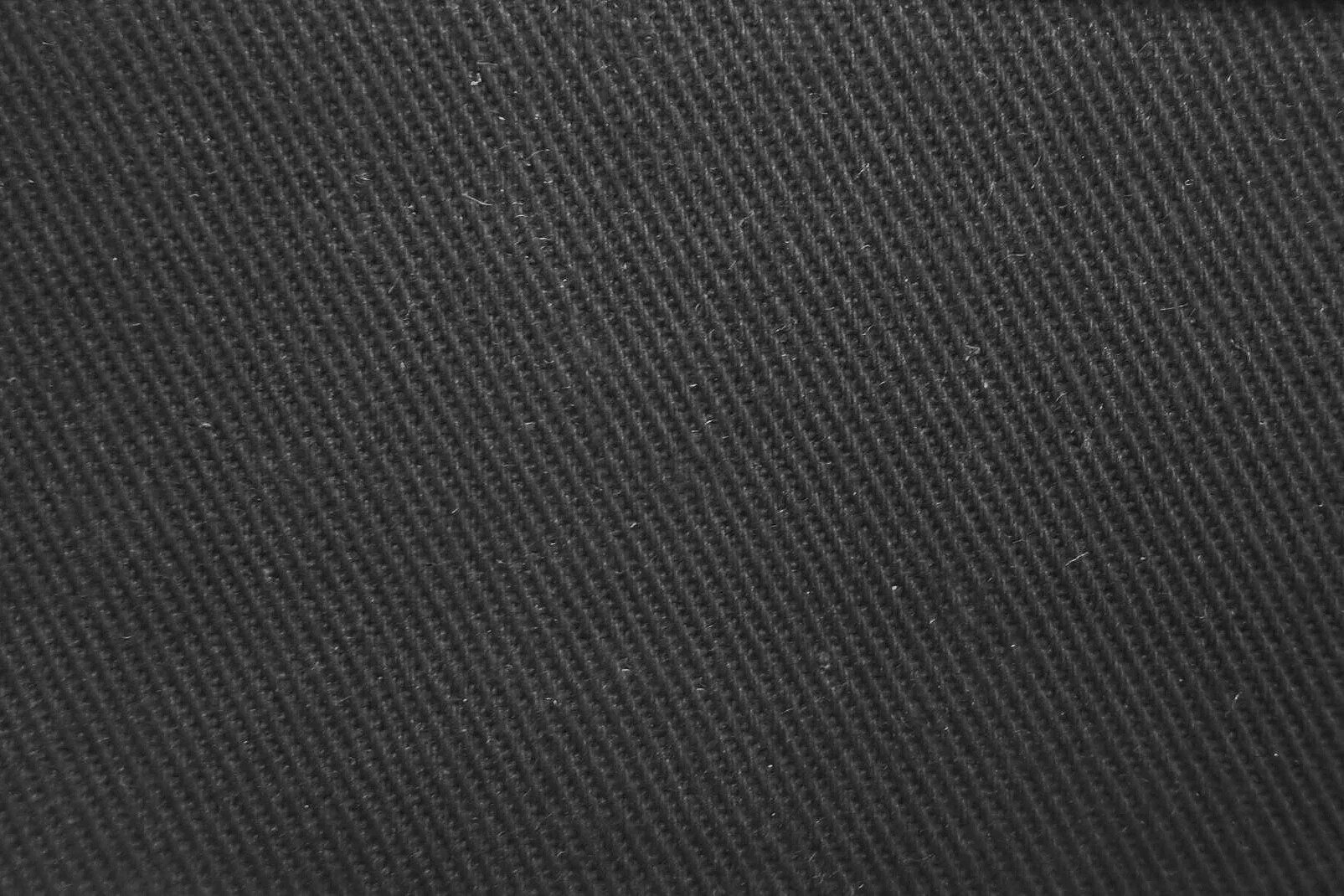
(CH) Confoederatio Helvetica (Latin name of the Swiss Federal Republic) - Water-resistant, wind-resistant. Schoeller micro twill fabric (diagonal weave) is commonly used in heavy industrial protective clothing. Woven from cotton, elastane (stretch fabric), and modacrylic. The fabric is heavy but breathable, has a smooth surface, and stretches in two directions. Most Schoeller versions are coated with a layer of ColdBlack, a technology that reduces heat absorption in dark fabrics. A notable property of modacrylic is its flame-retardant nature. ColdBlack combined with modacrylic essentially makes it fire-resistant (I'm not sure, and I'm not cautious enough to buy another Schoeller product to test it myself...).

micro twill weave surface

micro twill weave surface

(DS) Dryskin - A type of synthetic fabric from Schoeller has a rather interesting two-sided structure. The outer surface is water-resistant, windproof, slightly rough to the touch, and under certain angles, appears to have a subtle metallic sheen. The inner surface is smooth and the fabric's weave structure is more visible than the outer surface. The weave structure of the inner surface enhances breathability, allowing moisture to escape from the inside to the outside faster than other fabrics, keeping the wearer dry and comfortable. Containing nearly one-tenth elastane, Dryskin offers four-way stretch, making it extremely suitable for high-intensity activities.

Occasionally, I also see the "DS" designation used for products using synthetic fabrics with a high nylon content. From a "bookworm" perspective, the composition of Dryskin and High Density nylon jersey is quite similar, the only difference being that Dryskin has a higher elastane content than High Density nylon jersey (10% > 6%).

Dryskin's outer surface

Dryskin's outer surface

(SS) WB-400 Soft Shell - This synthetic material has a two-layer structure. The outer layer is a four-way stretch, water-resistant material bonded to an extremely breathable and soft inner layer. Between the two layers, a polyurethane coating is applied to further enhance wind and water resistance.

(K) Komatsu - Waterproof, windproof, and breathable. Nemen's experimental fabric has a 3-layer structure with a Komatsu membrane layer from Japan. Each finished product is then individually dyed, resulting in interesting variations and color inconsistencies within the same line. Despite being 3-layered, the product is quite lightweight; compared to GoreTex materials, its lightness is comparable to Gore Windbreaker. Some drawbacks of this fabric include being prone to dirt, difficult to clean, and not as breathable as Windstopper (although it is still 3-layered).

(MP) Multiprene - The two-layer construction consists of an outer nylon layer with water and wind resistance, bonded to an inner multiprene layer to keep the wearer warm.

near the surface of the multiprene material

near the surface of the multiprene material

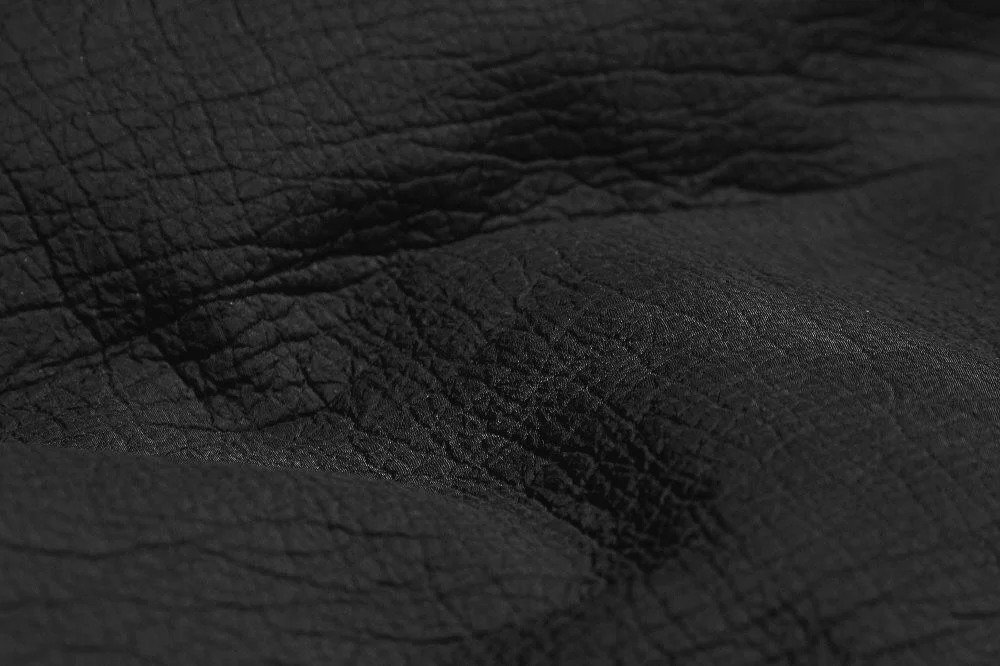
(L) Leather - Yes. And as I said, the [O] symbol usually only indicates the surface material. As far as I know, there aren't many designs made from leather. There are two notable products: the J40-L in collaboration with Nemen and the L-J2 (in collaboration with Gore Windstopper). In the collaboration with Nemen, the leather product has a 3-layer structure made from calfskin pressed onto a Komatsu membrane. It's more water-resistant, windproof, and breathable than regular leather products.

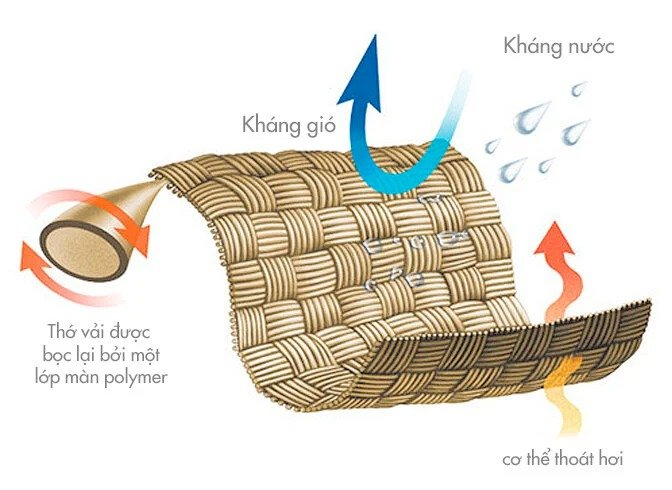
(E) Epic by Nextec - Water-resistant, wind-resistant. Epic is a fabric processing technology that includes Amphibious cotton and Encapsulated nylon. Amphibious cotton, or Epic cotton, is a fabric line that Acronym favored and used frequently in its early stages. It seems that Encapsulated nylon only appeared in Spring/Summer 2019, and products using (E) fabric were explained as using Encapsulated nylon. I haven't experienced Amphibious cotton myself, so I'm not sure. But basically, Epic technology is quite special. Nextec goes against the usual processing approach in the fabric industry. Instead of heat pressing or coating the outer surface of the fabric to increase water/wind resistance, Epic works from within the fabric. Epic technology "fills" the gaps between the fabric fibers, "wrapping" the fibers with a super-thin polymer film. The result is a water-resistant, windproof fabric that is breathable enough to keep the wearer comfortable. For encapsulated nylon, this fabric treatment results in an extremely lightweight and easy-to-pack product, while also maintaining water resistance even after many washes. In my personal opinion, encapsulated nylon easily surpasses DS to be the best fabric for Arcnm's summer pants. The only drawback for me is that when moving, the fabric surfaces make a rather noisy sound and feel a bit "cheap," like wearing those cheap 50-80k VND/pair nylon gym pants sold at "official" sports equipment stores. Some sources also confirm that encapsulated nylon is not as durable as amphibious cotton.

Side note: E fabric is a type of fabric developed by the US military, and encapsulated nylon is the preferred fabric of the US Special Operations Command (SOCOM). Interestingly, with the introduction of encapsulated nylon in Spring/Summer 2019, Acronym's color palette has a new color -

Side note: E fabric is a type of fabric developed by the US military, and encapsulated nylon is the preferred fabric of the US Special Operations Command (SOCOM). Interestingly, with the introduction of encapsulated nylon in Spring/Summer 2019, Acronym's color palette included a new color - Alpha Green. This color is the SOCOM combat uniform color. Acronym borrowed heavily from the design of the SOCOM combat uniform in its early days.

SOCOM - PCU (Protective Combat Uniform)

SOCOM - PCU (Protective Combat Uniform)

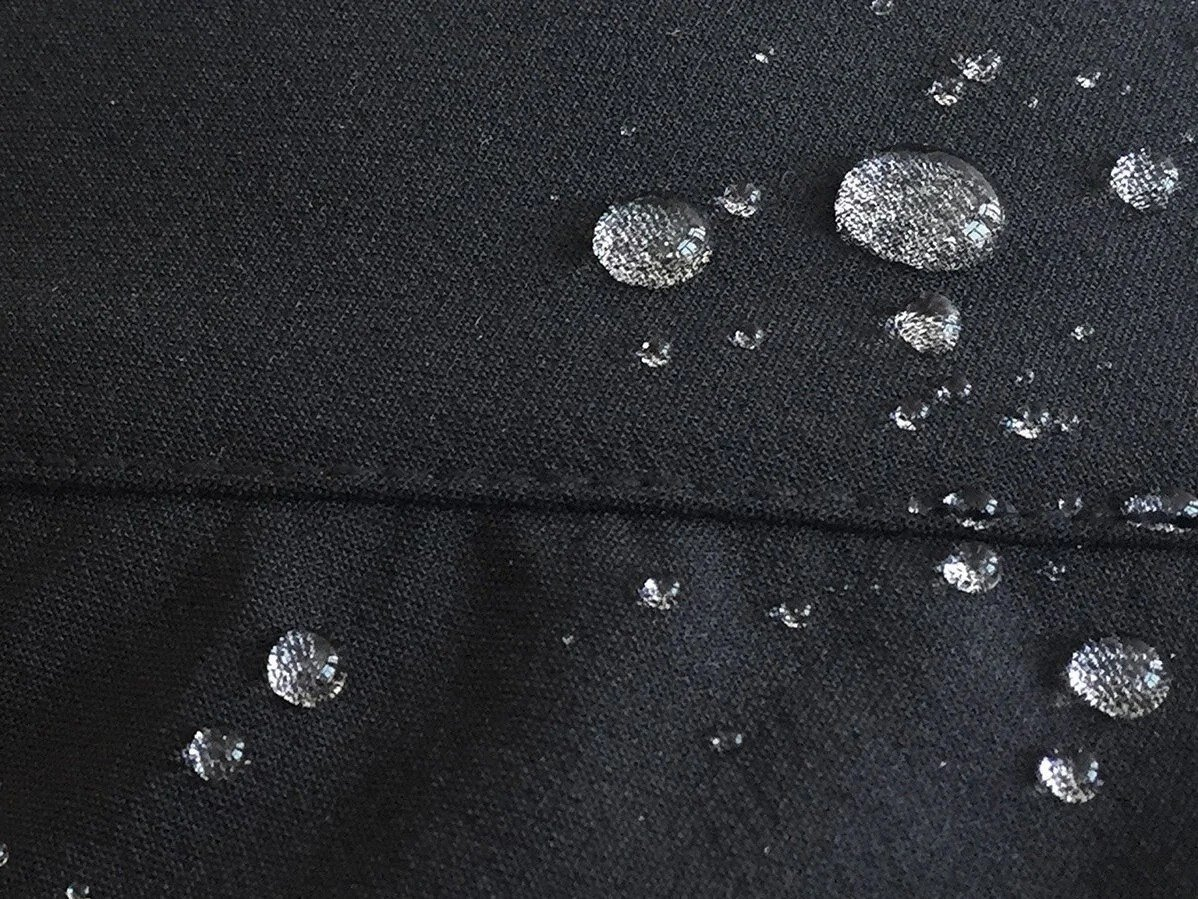
(S) Stotz Etaproof - 100% cotton fabric. Woven from long-staple cotton fibers with a high weave density, providing permanent water and wind resistance. Products made from Etaproof have the natural smoothness and softness of cotton when in contact with the skin. The weight and feel against the skin are almost like wearing jeans. Of the three fabrics Acronym frequently uses for pants, Stotz feels the most comfortable. In terms of weather protection and durability, Stotz is also significantly superior to CH and DS. It's worth noting that even within Acronym designs using the same Stotz Etaproof fabric, the thickness and functionality of the fabric vary between designs (such as regular Dryskin and Dryskin Heavyweight). A drawback of Stotz is its lack of stretch. Acronym's Stotz designs often have slightly different sizing (smaller or larger) compared to DS or CH versions of the same size. A second drawback is Stotz's "water resistance." When water comes into contact with the outer surface of Stotz, the outer surface of the fabric remains wet, but the fibers expand to prevent water from penetrating further, thus keeping the wearer dry. However, a wet pair of pants is still a wet pair of pants; even if you don't feel wet, the pants are still damp. The final drawback is that Stotz fades extremely quickly; usually after 3-4 washes, faded streaks will appear when you iron the fabric to reactivate its water-repellent properties (I don't consider this a drawback, just like FO or PB. Over time, it develops into something unique and personal to the user).

SOME OTHER ARTIFICIAL MATERIALS

(PL) PrimaLoft - A thermal insulation material made from synthetic fibers. Developed by the US military to provide the same thermal insulation as down feather, the feathers closest to the body of a goose (or duck). To this day, down feather is still trusted for its thermal insulation capabilities. The only weakness is that it loses its thermal insulation when wet (geese and ducks have a waterproof outer layer of feathers when swimming). With PrimaLoft, by recreating the structure of down feather with synthetic fibers, the product's thermal insulation is maintained even when wet. Furthermore, the fluffiness of synthetic fibers is usually less than that of natural feathers, keeping the product looking neater.

(PS) Polartec PowerStretch - The primary material is elastic, which is strong and durable, creating a fabric with 4-way stretch. Its double-sided structure absorbs moisture and pushes water molecules to the outer surface for rapid evaporation, keeping the skin dry. The smooth outer surface of PS reduces surface friction.

(PX) Alpha by Polec - Alpha continuously releases excess body heat before it accumulates, preventing the wearer from feeling hot and uncomfortable. This excellent adaptability of Alpha is created by the Alpha cotton fibers interwoven into the mesh fabric. Alpha material is inherently water-repellent, so it resists moisture and dries extremely quickly.

lift breath

lift breath

SOME OTHER NATURAL MATERIALS

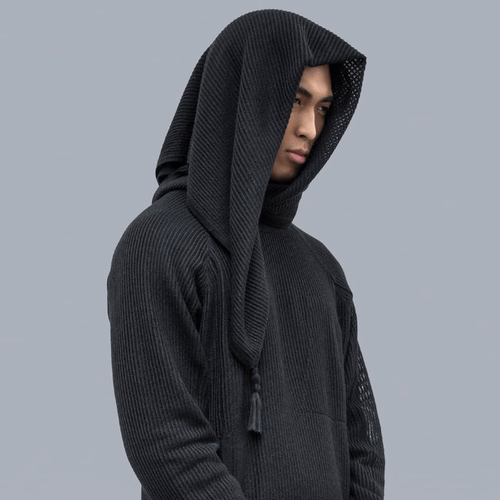
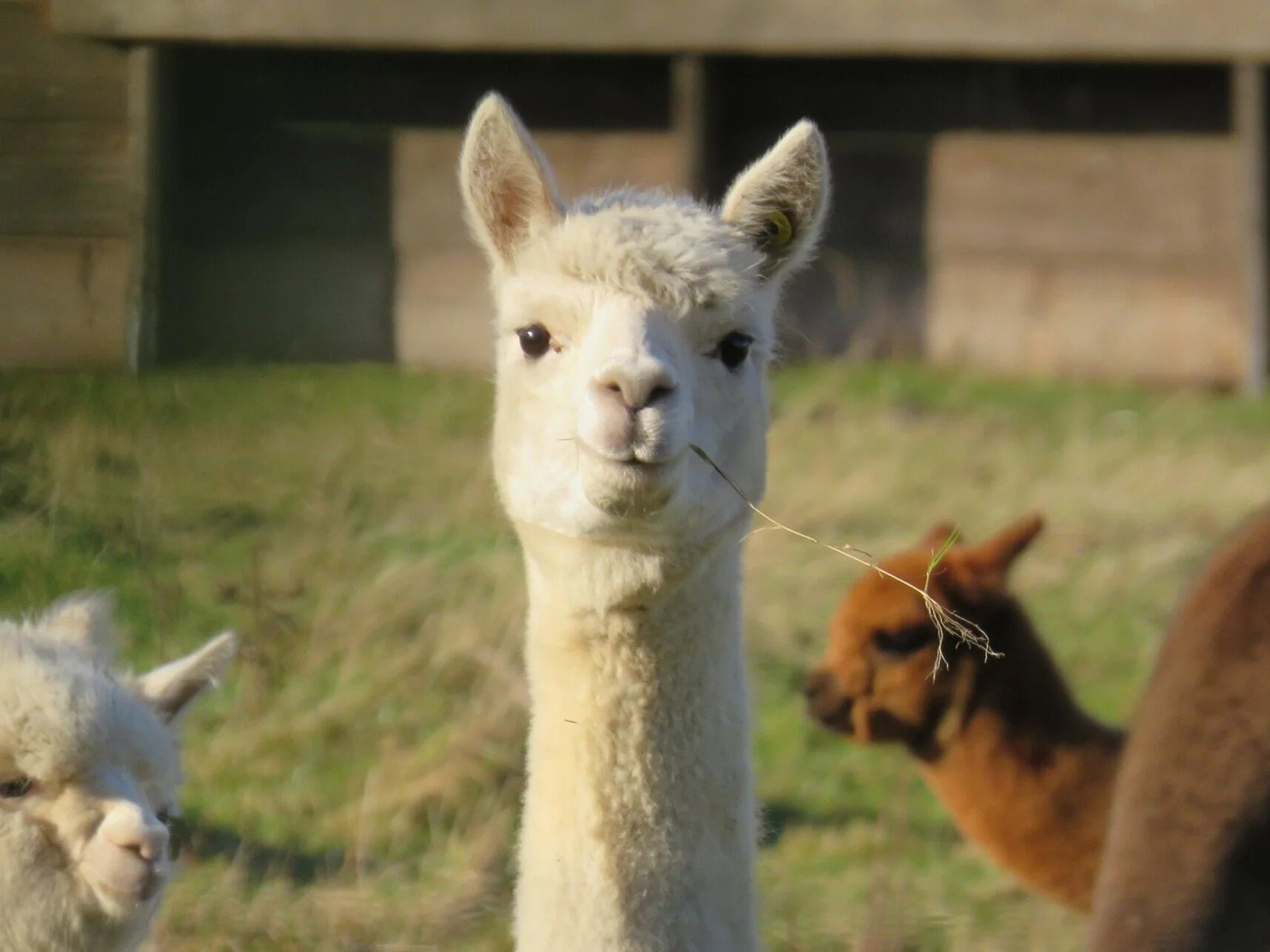
(AK) Altifibers Knits and (AM) Altifibers Mesh(?) - Cashllama material. Cashlama is made from the wool of Andean llamas using Altifibers' (Bolivia) LlamaSoft smoothing technology to achieve a smoothness comparable to Himalayan cashmere (Cashllama - the "Cashmere" of the Andes). The llama's fibers have a surface smoothness similar to cashmere, but the internal voids are significantly larger than other types of wool. Therefore, Cashllama has superior thermal insulation properties compared to other wool materials. The difference between (AK) and (AM), as far as I know, is that (AK) is a synthetic fabric with 30% silk and 70% cashllama, while (AM) is woven entirely from cashllama.

(AJ) Baby Llama Air Jet Wool - A synthetic fabric woven from llama down blended with polyamide (a type of nylon) in a ratio of 80% llama down and 20% polyamide. Although polyamide has poor breathability and is easily damaged by high temperatures, when blended with other fibers, especially cotton and wool, it increases the fabric's elasticity and durability. Llama down is soft and warm. Therefore, (AJ) fabric possesses excellent heat retention, elasticity, lightness, and durability.

‘sup bro? want some cash (llama)?

‘sup bro? want some cash (llama)?

(BR) Brugnoli - A type of long-staple cotton product from the Brugnoli factory in Italy. Known for properties such as colorfastness, softness, breathability, and resistance to pilling.

(KM) Altifibers Knits Merino - Products made from merino wool using Altifibers' processing technology typically have a natural fluffy texture. Merino wool is considered the "Swiss Army knife" (highly flexible) among natural fibers. It's renowned for its ability to regulate body temperature, keeping you warm in cold weather and cool in hot weather. Most notably, it's odor-resistant. The durability of merino is also noteworthy; it doesn't shed excessively under normal daily friction.

(KR) Worsted Cashmere - Woven from long, straight cashmere fibers, this fabric is lightweight and has a smooth, silky surface. Cashmere also helps keep the wearer warm. With proper care, worsted cashmere will retain its softness for a very long time.

(LP) Loro Piana's Storm System. Storm System is a fabric treatment technology. LP fabric has a two-layer structure; the outer layer is treated with Loro Piana's proprietary technology, creating a protective layer around each fiber (from what I've researched, it's quite similar to Nextec). This enhances water resistance and protects against dust penetration. The inner layer is a special water- and wind-resistant membrane developed by Loro Piana. This membrane is extremely lightweight but provides excellent warmth retention and temperature regulation. Thanks to Storm System, Loro Piana's fabric products retain the softness, warmth, and comfort of natural fabrics while also maintaining water and wind resistance.

(W) Wool - Made in Italy, this double-sided material combines fleece and cotton. The fleece outer layer provides warmth while offering a naturally light water-repellent surface. The cotton inner layer provides a comfortable feel against the skin.

(*I will continue to update this list.
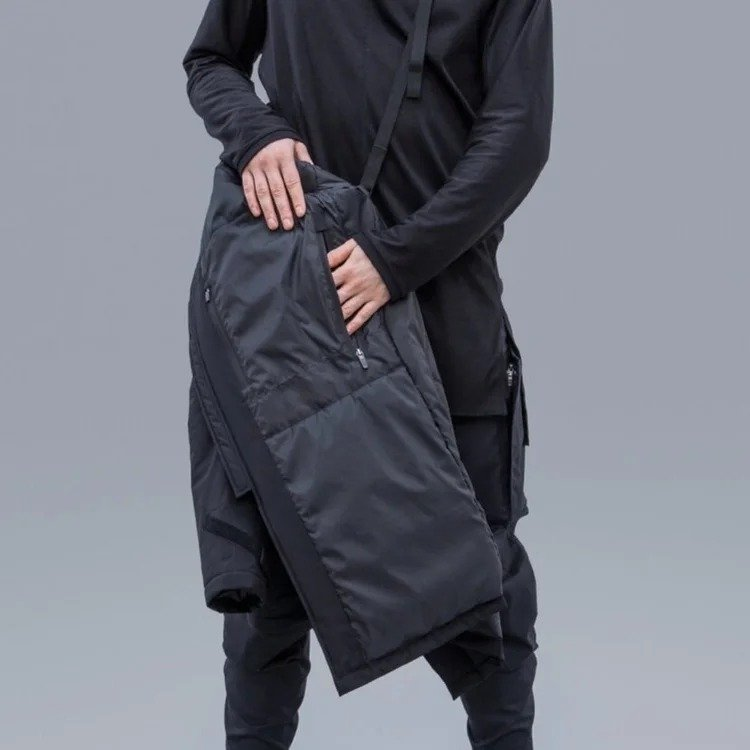
(Everything I've written is from the perspective and research of a consumer/outsider who knows nothing about the garment industry or materials. If there are any mistakes, please feel free to give me feedback. [instagram @drkvns**](https://www.instagram.com/drkvns/)

NEXT POST:///////////////////////////////

Thanks to Hoang Lam, Le Quoc Anh, and Kent Nguyen for their informational support.

← All stories